
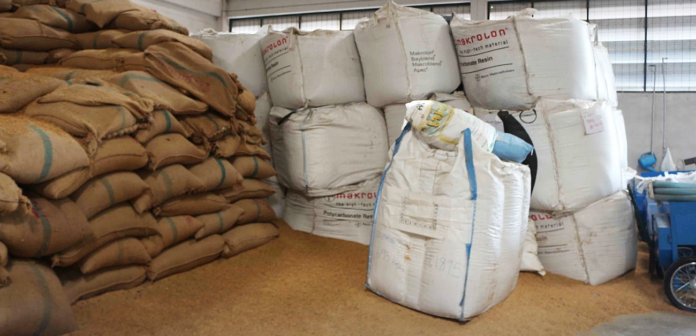

Thai Rice Exporters Association says proposed DIT minimum rice stockpiling rules won’t affect exporters, noting most already hold more than required stocks.
A senior figure at the Thai Rice Exporters Association said on Monday that proposed minimum stockpiling requirements for rice exporters would not affect the industry, arguing that most exporters already hold stocks well above the minimum thresholds.
Chukiart Opaswong, honorary president of the Thai Rice Exporters Association (TREA), was responding to reports that the Department of Internal Trade (DIT) is amending rice stockpile regulations and that the People’s Party opposes a proposed minimum stock requirement of 100 tonnes.
Proposed DIT rules: stock requirements linked to registered capital
According to the reports, the revised requirements would apply to rice exporters by registered capital as follows:
- 5–10 million baht: minimum export stock cut from 500 tonnes to 100 tonnes
- 10–20 million baht: minimum export stock set at 500 tonnes
- More than 20 million baht: minimum export stock set at 1,000 tonnes.
Exporters already hold more than the minimum, TREA says
Chukiart said the proposed 100-tonne minimum was insignificant in terms of the value of today’s rice export business. He added that the requirement would not affect exporters’ liquidity and described it as a useful measure to prevent opportunistic operators from harming the export trade and Thailand’s reputation.
Farmer groups and cooperatives to be exempted, but with conditions
Addressing concerns that the requirement could block small farmer groups and cooperatives from expanding overseas, Chukiart said the DIT would exempt such groups and cooperatives—provided they export only boxed or packaged milled rice.
Stockpiling rule unlikely to push farmgate prices down
Chukiart also rejected concerns that the stockpiling requirement would encourage exporters to buy rice from farmers at lower prices. He said prices are driven mainly by global supply and demand, and argued that holding minimum stocks could benefit farmers because exporters would need to replenish inventories regularly.